
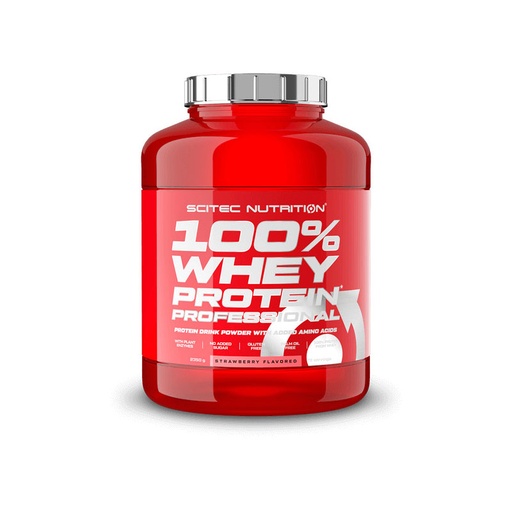
Sports nutrition
12 questions answered in the “Sports nutrition” section of the Olympia Middle East help centre.
Sports nutrition
12-
What is sports nutrition and where does a beginner start?
Sports nutrition is how you eat and supplement around training, and a beginner starts with calories, protein and sleep before buying any product.
- Set your calories and protein first with the free calculators
- Add one product at a time so you know what it changes
- Book the free body composition scan for a clear starting point
-
What is the difference between supplements and real food?
Real food is the base of the diet and supplements are a convenience layer on top, filling the gap that your meals did not cover that day.
- Whole meals bring fibre, micronutrients and satiety
- A shake is easier after a late session or a packed day
- If your meals already cover the target, a supplement adds little
-
What is a simple stack for a beginner and for an intermediate?
A common beginner setup is protein powder plus creatine monohydrate, while intermediate trainees often add amino acids or a pre-workout. No stack guarantees results.
- Beginner: protein to reach your daily intake, plus creatine monohydrate
- Intermediate: add EAA or BCAA, or a pre-workout for early sessions
- Follow the serving stated on each product label
Note: Training and total diet matter more than the stack.
Shop combos & stacks -
What should I eat before and after training?
In general terms, eat a balanced meal one to three hours before training, then get protein and carbohydrate in the meals after it.
- Total daily protein and calories matter more than exact timing
- Heavy meals right before a session feel uncomfortable for most people
- Drink water through the session
-
How much should I drink when training in Oman's heat?
In Oman's heat, drink water before, during and after training, and raise the amount when you train outdoors or sweat heavily.
- Carry a bottle and sip through the session rather than all at once
- Choose the cooler hours for outdoor training
- Long sessions or heavy sweating may call for an electrolyte drink
- Stop and get help if you feel dizzy or stop sweating
-
Which supplements suit football, running or CrossFit athletes?
Across field, endurance and mixed sports the priorities are the same: daily calories, protein and hydration, with products chosen around session length and intensity.
- Long endurance sessions push carbohydrate and fluids to the front
- Strength and mixed sessions commonly use protein and creatine
- If you are drug tested, check every label with your federation
-
Do I need supplements if I train at home?
Training at home changes nothing about nutrition: the same protein, calories and hydration apply, and equipment is the only real difference.
- Protein powder and bars are the simplest things to keep at home
- A shaker and a bottle cover most of what you need
- Add creatine if your goal is strength work
-
I have a small budget: what should I prioritise?
On a small budget, spend in this order: food first, then protein powder, then creatine monohydrate.
- Food and sleep cost nothing extra and do the most work
- Protein powder is usually the cheapest way to add protein
- Creatine monohydrate is low cost per serving
- Combos & Stacks group several products together
-
Do I actually need supplements?
No. Supplements are not required; they support a diet that already works and make it easier to hit protein and calorie targets consistently.
- Start with diet, sleep and consistent training
- Use a supplement when meals make the target hard to reach
- Do not expect a result from a product on its own
Note: Supplements are food products and do not treat any condition.
Book the free scan -
Can I combine several supplements at the same time?
Read every label before combining products and add up shared ingredients, especially caffeine, which appears in pre-workouts, energy products and some fat burners.
- Do not take two caffeinated products in the same session
- Introduce one new product at a time
- Keep each product at its labelled serving
- Ask a doctor if you take medication or have a health condition
-
How does the free body scan help me set a plan?
The free body composition scan gives 12 readings, including body fat percentage, muscle mass and BMR, turning a vague goal into numbers you can plan against.
- Booking is mandatory and opens up to 30 days ahead
- Offered at 6 branches, daily 18:00 to 21:00
- No food for 3 hours and no training for 2 hours before
Note: The scan is free with no obligation to buy.
Book the free scan -
How do I use the site calculators to plan calories and macros?
Olympia's calculator page hosts 57 free tools, including BMR, TDEE and macro calculators, so you can set your numbers before choosing any product.
- Groups cover body composition, energy, macros, performance and converters
- Start with TDEE, then split it into macros
- The tools give general information and do not replace a health professional
Note: The calculators do not provide a medical diagnosis.
Health calculators

To install this Web App in your iPhone/iPad press
 and then Add to Home Screen.
