
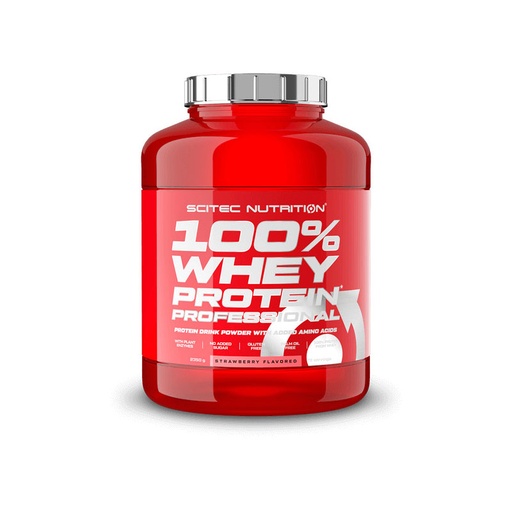
Protein
18 questions answered in the “Protein” section of the Olympia Middle East help centre.
Protein
18-
What is whey protein and who is it for?
Whey protein is a milk-derived protein powder that makes it easier to reach your daily protein target, and it suits most healthy adults who train or simply do not get enough protein from meals.
- Mixes into water or milk in seconds, so it works as a snack or a post-training drink
- It is a food supplement, not a medicine, and meals still come first
Note: If you are pregnant, breastfeeding, under 18 or taking medication, speak to a doctor first.
Shop protein -
What is the difference between whey concentrate, isolate and hydrolysate?
They differ mainly in how far they are filtered: concentrate keeps more milk carbs and fat, isolate is filtered further for more protein per scoop, and hydrolysate is pre-broken-down so it digests faster.
- Concentrate: the everyday option and usually the best value
- Isolate: more protein and less lactose per serving
- Hydrolysate: the most processed and usually the priciest
Note: Compare the nutrition panel on each product page before you choose.
Shop protein -
What is casein protein and when do people use it?
Casein is the slow-digesting protein in milk, so people usually take it when they want protein released over several hours rather than quickly.
- Often used in the evening or before a long gap between meals
- Thicker in texture than whey once mixed
- Whey remains the more common choice around training
-
Mass gainer or whey protein — which should I buy?
A mass gainer is a high-calorie blend of protein plus carbohydrates, while whey is mostly protein alone, so gainers suit people who struggle to eat enough calories to gain weight.
- Choose whey if your calories are already adequate and you only need more protein
- Choose a gainer if you find it hard to eat enough during the day
- Check calories per serving, because gainer servings are large
-
Do you have vegan or plant-based protein?
Yes, Plant Protein is one of the sub-categories inside the Protein section, alongside Whey Protein, Whey Isolate, Casein and Mass Gainers.
- Plant proteins are dairy-free, so they suit anyone avoiding milk
- Many products blend more than one plant source in a single formula
- Read the label for the exact source and any certification shown on it
-
How do I read the label to know how much protein I am getting?
Look at the nutrition panel for grams of protein per serving, then check the scoop size that serving is based on, since most powders list both.
- Protein per serving matters more than the percentage printed on the front
- Check servings per tub so you compare value fairly
- Also look at carbs, sugars and fat if you are tracking calories
-
How much protein do I need per day?
Your daily protein need depends on your body weight, activity and goal, so use the free protein intake calculator on the Calculators page for a general estimate.
- The Calculators page hosts 57 free tools, including protein, macro and calorie calculators
- Enter your details once and treat the result as a starting point you adjust over time
Note: The calculators are for general information and fitness planning, do not give a medical diagnosis and do not replace advice from a qualified health professional.
Health calculators -
Should I mix protein with water or milk, and how do I avoid lumps?
Water keeps the calories lower and the shake thinner, while milk makes it creamier and adds calories, protein and carbs, so either is fine depending on your goal.
- Pour the liquid into the shaker first
- Add the scoop on top of the liquid
- Shake for 20 to 30 seconds
- Let it settle for a moment before drinking
Note: A shaker with a mesh or ball insert makes a clear difference to lumps.
Shop accessories -
Do I need protein powder on rest days?
Yes, taking protein on rest days is normal, because your daily total matters more than the timing and recovery continues when you are not training.
- Use it to top up a day when your meals fall short of protein
- Skip it on days when your food already covers your target
-
Can I have protein powder at breakfast or as a snack?
Yes, protein powder is food rather than a post-workout-only product, so it works at breakfast or as a snack between meals.
- Stir it into oats, yoghurt or milk in the morning
- Use a shake to bridge a long gap between two meals
- Protein bars and nut butters in Healthy Nutrition do the same job
-
Milk upsets my stomach — is isolate better for me?
If milk upsets your stomach, whey isolate is usually the easier option because more of the lactose is removed during filtering, and plant protein is dairy-free altogether.
- Concentrate keeps more lactose than isolate does
- Mixing with water instead of milk also cuts the amount you take in
Note: If you have a diagnosed milk allergy or ongoing digestive problems, check with a doctor before using any protein powder.
Shop protein -
Protein bars or protein powder — which is better?
Both do the same job: bars are ready to eat and easy to carry, while powder is usually cheaper per gram of protein and lets you control the mix.
- Bars sit under Healthy Nutrition, powders under Protein
- Compare protein and calories per serving, not just the price
- Many people keep both: powder at home, a bar in the bag
-
Which flavour should I choose, and should I buy a big tub first?
If this is your first tub, buy the smallest size available in a flavour you already like, and use the shop filters for Flavor and Supplement Weight to find it quickly.
- Chocolate and vanilla style flavours are the safest first pick
- A large tub is better value only once you know you enjoy it
- Ask any branch team or message WhatsApp +968 7161 1711 if you are unsure
-
Does whey protein help with weight loss?
Protein powder does not burn fat on its own; it helps mainly by making a higher-protein, calorie-controlled diet easier to stick to.
- Weight change comes from your total calories over weeks, not from one product
- A shake can replace a higher-calorie snack
- Book the free body composition scan to track the change in numbers
-
I am a beginner — which protein should I start with?
Whey concentrate in a mid-size tub is the usual starting point for a beginner, because it is the simplest option and the best value per gram of protein.
- One serving a day on training days is a common starting routine
- Stick to the serving size in the manufacturer's instructions on the label
- Food first: powder fills the gap, it does not replace meals
-
Is protein powder only for gym-goers?
No, protein powder is simply a concentrated food, and people use it whenever their daily meals fall short of protein, whether they train or not.
- Useful for a busy schedule, a small appetite or frequent travel
- It is an addition to your diet, not a requirement for being healthy
Note: It is not intended for children, and anyone pregnant, breastfeeding or taking medication should ask a doctor first.
Shop protein -
How should I store an opened tub of protein?
Keep the tub tightly closed in a cool, dry place away from direct sunlight and always use a dry scoop, because moisture is the main cause of clumping.
- Do not store it in the bathroom, in the car or next to the stove
- Leave the desiccant sachet inside the tub
- Check the best-before date printed on the packaging
Note: Opened products are not returnable, so be sure of your choice before breaking the seal.
Shop protein -
How do I choose a protein brand from the ones you stock?
Olympia stocks eight brands — Applied Nutrition, Basix Nutrition, Biotech USA, BPI Sports, Celsius, Dymatize, LA Muscle and Scitec Nutrition — so choose on protein per serving, flavour and price rather than the name on the tub.
- Use the Brands filter in the shop to compare what each one offers
- Compare grams of protein per serving and servings per tub
- Stock labels on site show Best Seller, Limited Stock and Sold out

To install this Web App in your iPhone/iPad press
 and then Add to Home Screen.
