
Parents ask us this question constantly, usually after a fifteen-year-old comes home asking for whatever a favourite athlete promotes online. Our answer has been consistent for more than twenty years of trading: for a growing athlete, food, sleep and coaching produce results that no supplement can approach, and the appropriate list of products is genuinely short. This article sets out what is reasonable, what should wait, and what a young athlete should not be taking at all.
Key takeaways
- Food, sleep and consistent coaching drive nearly all progress in the teenage years.
- Protein needs are met by normal meals for most teenagers; powder is a convenience, not a requirement.
- Stimulant pre-workouts, fat burners and testosterone boosters are not appropriate for under-eighteens.
- Any supplement use by a young athlete should be discussed with a doctor first, especially where medical conditions exist.
- Teach label reading and genuine sourcing early; it protects them for the rest of their training life.
Why Food Comes First at This Age
A teenager who trains is growing and training at the same time, which means total energy intake matters more than at any other stage of life. Under-eating during adolescence does not merely slow progress in sport; it can delay development, weaken bone accrual and increase injury risk. The most common problem we see is not a missing supplement but a young athlete eating two proper meals a day, training five times a week, and sleeping six hours because of school and screens.
Protein requirements do rise with training, to roughly one point four to one point eight grams per kilogram of body weight, but that is achievable from ordinary food. A sixty-kilogram teenager needs around ninety to one hundred and ten grams a day, which milk, eggs, chicken, yoghurt, lentils, bread and rice supply without difficulty across four meals. Establishing that habit is worth far more than any powder, and it is the foundation on which any later supplement use should sit.
What Is Reasonable, and When
Whey or another protein powder is the least controversial option, because it is simply food processed into a convenient form. For a teenager who trains after school and cannot eat properly until late, a shake is a sensible way to cover one of four daily protein feedings. It should never replace two meals a day, and it is not necessary for a young athlete who already eats well. Plain milk, incidentally, is an excellent and much cheaper post-training option for this age group.
Beyond that, the reasonable list is short. Adequate hydration with sodium during long training in the heat matters and is not really a supplement. Vitamin D deserves consideration in this region, where indoor life produces surprisingly common insufficiency, but only after a blood test and on a doctor's advice. Iron follows the same rule, particularly for adolescent girls and endurance athletes, and should never be given speculatively because excess iron is harmful. Everything else can wait.
- Protein powder: acceptable as one of several daily protein sources, not as a meal replacement.
- Milk after training: cheap, effective and age-appropriate.
- Fluids with sodium for long sessions in the heat.
- Vitamin D or iron only after a blood test and medical advice.

What Young Athletes Should Not Take
Stimulant pre-workout formulas are the most common problem. They routinely contain two hundred to four hundred milligrams of caffeine per serving, which is a large dose for an adult and an inappropriate one for a developing nervous system, and they reliably damage the sleep that a teenage athlete needs more than anyone. Fat burners are worse, combining the same stimulants with appetite suppression at exactly the age when adequate energy intake matters most. Neither belongs in a school bag.
Testosterone boosters and any product hinting at hormonal effects should be avoided outright, along with anything sold with claims that sound pharmaceutical. This is also where counterfeit and contaminated products cause the most damage, because unregulated online sellers target exactly this audience. Creatine is a more nuanced case: it is well studied and considered low risk in adults, and some sports bodies accept its use in older adolescents under professional supervision, but it is not something a fifteen-year-old should start on their own. If a young athlete and their parents are considering it, that conversation belongs with a physician or a qualified sports dietitian.
- Stimulant pre-workouts: not appropriate under eighteen.
- Fat burners: never, at an age when energy intake needs to be adequate.
- Testosterone boosters and hormone-adjacent products: avoid entirely.
- Creatine: only with medical or professional supervision, never self-started.
A Practical Day for a Teenage Athlete
Structure removes most of the difficulty. Breakfast before school should include protein rather than only carbohydrate: eggs with bread, or yoghurt with oats and fruit. A packed mid-morning snack prevents the long empty stretch that leads to poor choices at lunch. Lunch should be a real meal, and a snack before afternoon training, such as a banana and a small sandwich, prevents training on empty. After training, milk or a shake plus a proper dinner within a couple of hours closes the day.
Sleep is the part that actually determines progress, and eight to ten hours is the requirement at this age, not a luxury. That means the phone leaves the bedroom and caffeine stops early in the afternoon. Hydration matters in this climate: a bottle at school and another at training, with something salty in the meal after a long session in the heat. This is not a complicated plan, and it beats every supplement in the shop.
Teaching Judgement, Not Just Rules
The most valuable thing you can give a young athlete is the ability to evaluate a claim. Show them how to read an ingredient panel, how to find the dose per serving rather than per scoop, and why a proprietary blend that hides individual amounts is a warning sign. Explain that a testimonial is not evidence, that an athlete who is paid to promote a product is an advertisement, and that anything promising a dramatic transformation in weeks is either exaggerating or unsafe.
Sourcing is the other half of that education. Products bought from unofficial online sellers in this region carry a genuine risk of counterfeit packaging and contamination, and contaminated supplements have ended competitive careers through inadvertent doping violations. Buy from a distributor who imports through official channels and can trace a batch, keep the receipt, and check that batch numbers and expiry dates are printed rather than applied as stickers. These habits, learned at sixteen, protect an athlete for decades.
Olympia recommended picks

ON Gold Standard, 100% Whey 2 LBS
A plain whey concentrate for one convenient protein feeding after school training.
Shop now
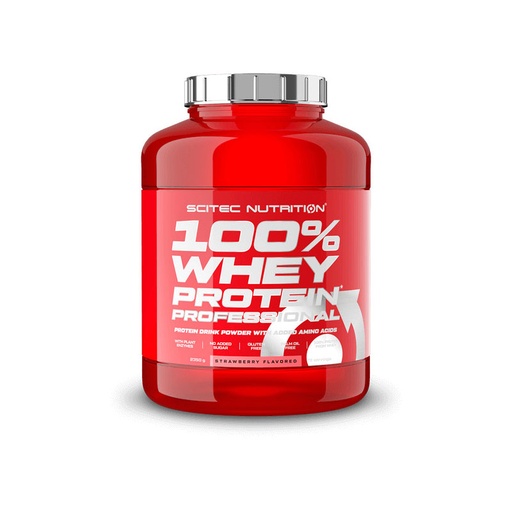
Scitec100% Whey Protein Professional
A straightforward everyday protein with a clear ingredient panel to read together.
Shop now
Prime Hydration Drink
A ready-to-drink option with electrolytes for long training in the heat.
Shop nowFrequently asked questions
Is protein powder safe for a teenager?
It is food in powdered form, so a serving alongside normal meals is not a concern for a healthy teenager. The important limits are that it should not replace meals and that most young athletes can meet their needs from food alone.
At what age can someone use a pre-workout?
Stimulant pre-workouts are formulated for adults and are not appropriate under eighteen. The caffeine doses are high and they damage the sleep that matters most at this age. Food and a proper warm-up serve the same purpose.
Is creatine safe for a sixteen-year-old?
It is well studied and low risk in adults, and some sports bodies accept supervised use in older adolescents, but it is not something to start independently. Discuss it with a physician or a sports dietitian first.
How much protein does a teenage athlete need?
Roughly one point four to one point eight grams per kilogram of body weight daily. A sixty-kilogram athlete needs about ninety to one hundred and ten grams, which ordinary meals supply across four eating occasions.
What matters most if we only change one thing?
Sleep. Eight to ten hours a night improves recovery, growth, mood, concentration and injury resistance more than any product available in any shop.
Related reading
Not sure which product fits you?
Talk to our team in any Olympia branch in Oman or on WhatsApp and we will match a supplement to your goal and your budget.
Talk to an Olympia expert
 and then Add to Home Screen.
