
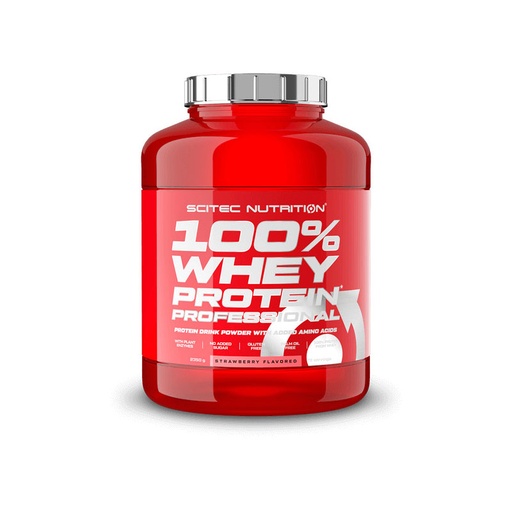
Walking into a supplement store for the first time is overwhelming: hundreds of tubs, all promising the same thing. The honest starter list is short. Three products cover almost everything a new trainee needs, and the rest can wait until your training is consistent.
Key takeaways
- A protein powder, creatine monohydrate and vitamin D cover the sensible beginner basics.
- Training consistently for three months matters more than any product you buy today.
- Skip fat burners, testosterone boosters and complicated stacks in your first months.
- Most of your money belongs in food, not powder.
- Learn to read a label before you double your spending.
One: a protein powder you will actually use
Protein is the one supplement that solves a real, common problem: most beginners eat far less protein than their training deserves. A whey concentrate gives you 20 to 25 g per scoop for a reasonable price, and one or two servings a day usually closes the gap between what you eat and the 1.6 to 2.2 g per kg you need.
Choose a flavour you like, because the best protein is the one you drink consistently. If dairy upsets your stomach, take an isolate or a lactose free version instead of giving up on protein entirely.
Two: creatine monohydrate
Creatine is cheap, extremely well studied and effective for almost everyone who trains with resistance. Three to five grams a day, every day, improves your capacity for hard sets and adds up to more strength and lean mass over a training block.
You do not need a loading phase, a special form or a cycling schedule. Buy plain micronised monohydrate, keep the tub next to your protein, and take it at whatever time you will remember.

Three: one basic health supplement
For most people in the Gulf, vitamin D is the sensible third purchase, because deficiency is common despite the climate. A blood test tells you where you stand, and a maintenance dose of 1,000 to 2,000 IU daily suits many adults. If you rarely eat fish, an omega-3 supplement is an equally reasonable choice.
That is the whole starter kit. Notice what is missing: fat burners, testosterone boosters, BCAA tubs, night-time formulas and anything with the word matrix on the label. None of them will do more than the three above during your first year.
- Vitamin D: 1,000-2,000 IU daily maintenance
- Omega-3 if you rarely eat oily fish
- Skip: fat burners, testosterone boosters, BCAA
Where your money really belongs
A month of good food beats a month of average supplements every time. Eggs, chicken, fish, rice, dates, laban, fruit and vegetables build the base; supplements top it up. If your budget is tight, buy protein powder and creatine and put the rest into groceries.
Give yourself three months of consistent training and eating before you add anything else. By then you will know your own weak points, and you will be able to read a label properly instead of trusting the loudest packaging in the aisle.
Olympia recommended picks


Frequently asked questions
Do beginners need supplements at all?
No. They are optional convenience. Protein powder and creatine simply make it easier to hit protein targets and train hard.
Is creatine safe for a beginner?
Yes, for healthy adults at 3 to 5 g per day. Speak to a doctor first if you have kidney disease or take related medication.
Should I buy a pre-workout as a beginner?
It is not necessary. Learn your baseline energy and technique first; coffee is a cheaper starting point if you want a lift.
Related reading
Not sure which product fits you?
Talk to our team in any Olympia branch in Oman or on WhatsApp and we will match a supplement to your goal and your budget.
Talk to an Olympia expert
 and then Add to Home Screen.
