
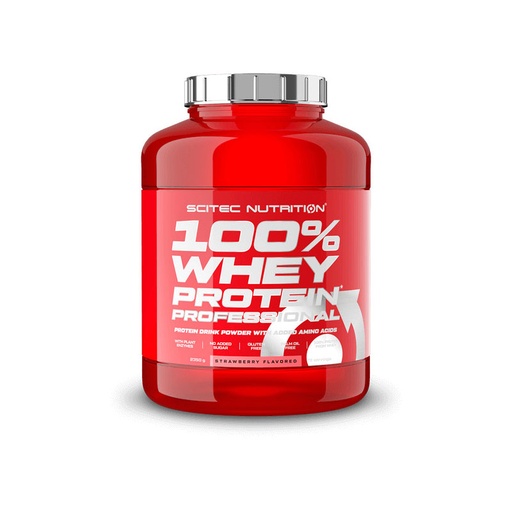
The front of the tub is advertising. The back is the contract. Five minutes learning to read the panel on the back will save you more money than any discount code, and it is the fastest way to avoid paying premium prices for filler.
Key takeaways
- Always compare protein per serving with the scoop weight to get the real percentage.
- Proprietary blends hide individual doses and usually favour the cheapest ingredients.
- Amino spiking inflates protein numbers with cheap glycine, taurine and creatine.
- Check for a batch number, expiry date and local import label on every tub.
- Prices far below market are a warning, not a bargain.
Start with the serving size
Every claim on the front is tied to a serving, and brands adjust that serving to make the numbers look good. A tub advertising 25 g of protein per serving may be using two scoops of 35 g each. Divide protein by scoop weight: 24 g in a 30 g scoop is 80 percent, a genuine concentrate; 17 g in 30 g is a blend with added carbohydrate.
Do the same arithmetic on the servings per container. Once you know the real cost per 25 g of protein, price comparisons across brands become simple and the marketing stops working.
- Protein percentage = protein per serving ÷ scoop weight
- Cost per 25 g protein = price ÷ (total protein ÷ 25)
- Check servings per container, not just tub size
Proprietary blends and pixie dusting
A proprietary blend lists several ingredients under one total weight, so a 6 g "performance matrix" could be 5.8 g of the cheapest item and a sprinkle of everything famous. This practice is legal and extremely common in pre-workouts, fat burners and testosterone products.
If a label does not give milligrams per ingredient, you cannot verify the dose, and you should assume it is below the amount used in research. Brands that are proud of their formula print the numbers.

Amino spiking and other tricks
Protein content is often measured by nitrogen content, and cheap amino acids such as glycine and taurine contain nitrogen without contributing usefully to muscle protein. Adding them raises the printed protein figure at a fraction of the cost of whey.
Warning signs are free-form amino acids listed high in the ingredient list, added creatine inside a protein blend, and an amino acid profile that looks unusually rich in glycine. A clean label shows whey as the first ingredient, then flavour, sweetener and an enzyme at most.
Authenticity: batch, expiry and import label
Genuine stock carries a printed or embossed batch number and expiry date, a sealed inner foil, a straight, cleanly printed label and, in Oman, an importer or distributor label. Blurry printing, a loose seal, mismatched fonts or a missing batch code all justify walking away.
Storage matters as much as origin. Powders that have travelled through hot, unregulated channels clump and lose flavour quality even when the contents are technically genuine. Buying from an authorised distributor means the product came in through official channels and was stored properly along the way.
Olympia recommended picks


Frequently asked questions
How can I tell if a supplement is fake?
Check the batch number, expiry, seal quality, print sharpness and importer label, then compare the price with the market. Buying from an authorised retailer removes most of the risk.
What is amino spiking?
Adding cheap nitrogen-rich amino acids so a protein powder tests higher in protein than the useful whey content justifies.
Are proprietary blends always bad?
They are not always harmful, but they prevent you from verifying doses, which is reason enough to prefer transparent labels.
Does a higher price mean better quality?
Not automatically. Cost per gram of protein and a transparent label tell you more than the price tag.
Related reading
Not sure which product fits you?
Talk to our team in any Olympia branch in Oman or on WhatsApp and we will match a supplement to your goal and your budget.
Talk to an Olympia expert
 and then Add to Home Screen.
