
Protein questions usually get answered with a number that came from a magazine cover. The honest answer is a range that depends on your body weight, your training and whether you are gaining or cutting. Once you know your range, the rest is logistics.
Key takeaways
- Active adults do well on 1.6 to 2.2 g of protein per kg of body weight per day.
- During a calorie deficit, aim at the top of that range to protect muscle.
- Four meals of 0.4 g per kg each is a simple, effective way to split the total.
- Total daily protein matters far more than the so-called anabolic window.
- Powder is a convenience tool for closing a 20 to 40 g gap, not a food replacement.
Start with body weight, not guesswork
For adults who train regularly, research points to 1.6 to 2.2 g of protein per kilogram of body weight per day. An 80 kg trainee lands between 128 and 176 g. Sedentary adults need less, closer to 1.0 to 1.2 g per kg, while people who are dieting hard or training twice a day sit at the higher end.
If you carry a lot of body fat, base the number on a realistic target weight rather than current weight, otherwise the total becomes uncomfortably large. Round to a number you can actually hit every day and treat it as a floor, not a ceiling.
- General health: 1.0-1.2 g/kg
- Training for muscle: 1.6-2.2 g/kg
- Dieting while training: 2.0-2.4 g/kg
Split it across the day
Muscle protein synthesis responds to each protein feeding, so spreading intake works better than one enormous dinner. A practical structure is three to four meals containing roughly 0.4 g per kg each, which for an 80 kg person is about 32 g of protein per meal.
That looks like eggs at breakfast, chicken or fish at lunch, meat or lentils at dinner, and a shake or yoghurt to fill whichever gap is left. The exact clock time matters less than the fact that each meal contains a real serving.

The anabolic window is wider than you were told
The old rule said protein had to arrive within thirty minutes of your last rep. Current evidence shows the elevated response to training lasts many hours, so a meal within a couple of hours either side of the session is enough. A shake straight after training is convenient, not urgent.
The exception is training fasted very early in the morning or twice a day with little time in between. In those cases, protein soon after the session helps because your last meal is far away, not because a window is closing.
Food first, powder second
Whole foods bring more than amino acids: iron and zinc from red meat, omega-3 from fish, calcium from dairy, fibre from legumes. Build the base from these and you will rarely need more than one or two scoops a day.
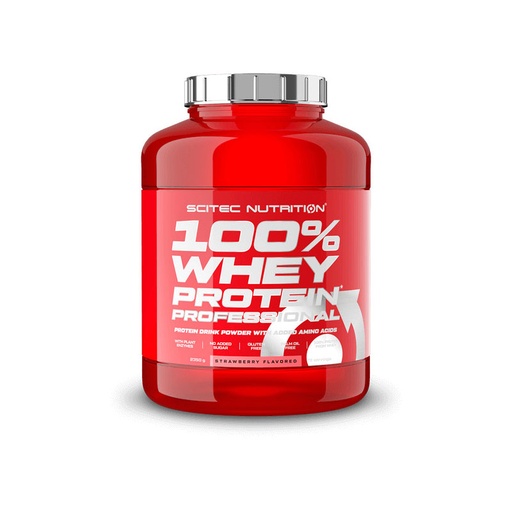
Powder earns its place when you are travelling, when you finish training far from a kitchen, or when appetite is low in a deficit. A 25 to 30 g serving is one of the cheapest ways to close a protein gap, especially compared with buying prepared food on the go.
Common mistakes worth fixing
The biggest one is a protein-free breakfast followed by a giant dinner, which leaves most of the day without a building signal. The second is counting the whole weight of a food as protein: 100 g of chicken breast is about 31 g of protein, not 100 g.
The third is chasing very high intakes at the expense of carbohydrate. If protein crowds out the fuel you need to train hard, your sessions get worse and progress stalls. Hit your protein floor, then eat enough carbohydrate to train properly.
Olympia recommended picks


Frequently asked questions
Can I eat too much protein?
Healthy adults tolerate high protein intakes well, but past roughly 2.4 g per kg there is no added muscle benefit, and the calories may be better spent on carbohydrate for training.
How much protein can the body use in one meal?
There is no hard cap. Larger meals digest over a longer period, so 40 to 50 g in one sitting is used, just more slowly.
Is plant protein as good as whey?
Yes if you take a slightly larger serving or combine sources, because most single plant proteins are lower in leucine.
Do I need protein on rest days?
Yes. Repair and remodelling continue for days after a hard session, so keep the daily target the same.
Does protein help with fat loss?
It helps indirectly by keeping you fuller and protecting muscle while you eat fewer calories.
Related reading
Not sure which product fits you?
Talk to our team in any Olympia branch in Oman or on WhatsApp and we will match a supplement to your goal and your budget.
Talk to an Olympia expert
 and then Add to Home Screen.
