
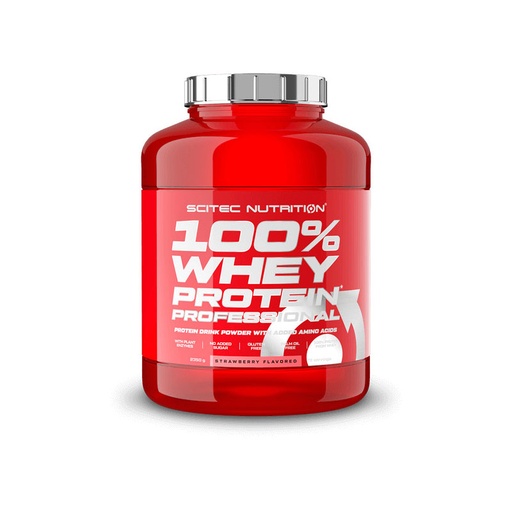
Whey concentrate and whey isolate sit next to each other on the same shelf, often from the same brand, yet they are filtered differently. That single difference in processing changes the protein per scoop, the lactose content, the texture and the price. Here is how to choose without overthinking it.
Key takeaways
- Concentrate usually gives 70-80% protein by weight and keeps a little more lactose, fat and flavour.
- Isolate is filtered further to roughly 85-90% protein with minimal lactose, which suits sensitive stomachs and tight calorie targets.
- Both build muscle equally well when your total daily protein is the same.
- Pay extra for isolate only if lactose, calories or a very lean macro split genuinely matter to you.
- Whatever you choose, consistency across the week matters far more than the label on the tub.
What whey concentrate actually is
Concentrate is the least processed form of whey. Liquid whey from cheese making is filtered to remove water and some carbohydrate, and what remains is a powder that is typically 70 to 80 percent protein by weight. The rest is a small amount of milk sugar (lactose), a little fat, and the naturally occurring compounds that give whey its creamy taste.
Because it keeps more of the original milk fraction, concentrate mixes into a fuller shake and works nicely in oats, smoothies or baking. For most healthy trainees who tolerate dairy, it is the sensible default: you get 21 to 24 g of protein in a standard scoop for a lower price per serving than isolate.
- Protein: about 70-80% by weight
- Lactose: low but present
- Best for: everyday use, budget per gram of protein, cooking and baking
How isolate is different
Isolate goes through extra filtration, usually cross-flow microfiltration or ion exchange, which strips out most of the remaining lactose and fat. The result is a powder that is around 85 to 90 percent protein, thinner in texture, faster to clear the stomach, and noticeably lighter on calories per gram of protein.
That refinement is what you pay for. It is genuinely useful in three situations: if dairy sugar leaves you bloated, if you are dieting and want the leanest possible protein per calorie, or if you simply prefer a light, water-like shake around training.
- Protein: about 85-90% by weight
- Lactose: minimal, often under 1 g per scoop
- Best for: sensitive digestion, cutting phases, light texture

Does one build more muscle than the other?
This is where most shoppers overspend. Both forms deliver a complete amino acid profile with a generous dose of leucine, the amino acid most closely tied to the muscle building signal. When total daily protein and training are matched, the difference in results between concentrate and isolate is too small to notice in the mirror.
What does move the needle is hitting a sensible daily protein target spread across the day, training with progressive overload, and sleeping enough to recover. A slightly cheaper concentrate that you actually drink every day beats a premium isolate that you ration because of its price.
Reading the label like a buyer, not a fan
Ignore the front of the tub and turn it around. Divide the protein per serving by the scoop weight: 24 g of protein in a 30 g scoop is 80 percent, which is a solid concentrate. If a 30 g scoop delivers only 17 g, you are buying a blend with added carbohydrate, sometimes marketed as a "recovery" formula.
Check the order of ingredients, look for an amino acid profile that lists naturally occurring values rather than added glycine and taurine, and confirm the tub carries an import label and a batch number. In Oman, buying from an authorised retailer is the simplest protection against grey-market stock that has spent months in a hot warehouse.
- Protein percentage = protein per serving ÷ scoop size
- Look for a batch number and local import label
- Be suspicious of prices far below the market
Simple ways to choose today
If you tolerate dairy and want the best value, take a good concentrate. If dairy sugar bothers you or you are in a strict cutting phase, take an isolate or a lactose free option. If you want both, many people keep a concentrate for daily use at home and a small tub of isolate for training days and travel.
Serving size is the last piece: one scoop after training and one scoop with breakfast is usually enough to close a 30 to 50 g gap in a normal day of eating. Powder is there to fill gaps, not to replace meals.
Olympia recommended picks


Frequently asked questions
Is whey isolate worth the extra money?
It is worth it if lactose upsets you, if you are counting calories closely, or if you prefer a very light shake. For general muscle building on a normal diet, a quality concentrate delivers the same results for less.
Can I take whey if I am lactose intolerant?
Many people with mild intolerance do fine with isolate or a lactose free formula because most of the milk sugar has been removed. If symptoms persist, a plant based protein is a reasonable alternative.
How many scoops per day are sensible?
One to two scoops usually covers the gap between what you eat and what you need. Aim to get most of your protein from food and use powder for convenience.
Does whey damage the kidneys?
In healthy adults, protein intakes commonly used by athletes have not been shown to harm kidney function. If you have existing kidney disease, follow your doctor's guidance.
Should I take whey on rest days?
Yes, if it helps you reach your daily protein target. Muscle repair continues for days after a hard session, so daily intake matters more than timing.
Related reading
Not sure which product fits you?
Talk to our team in any Olympia branch in Oman or on WhatsApp and we will match a supplement to your goal and your budget.
Talk to an Olympia expert
 and then Add to Home Screen.
