
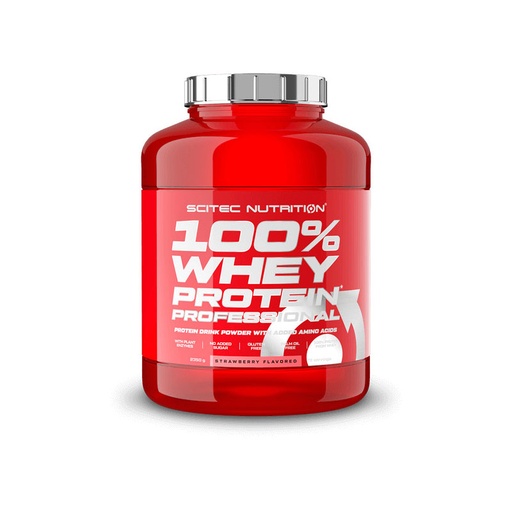
Recovery is not one shake. It is the sum of protein to repair, carbohydrate to refuel, fluid and electrolytes to rehydrate, and sleep to consolidate the work. Get those four right and your next session feels noticeably better.
Key takeaways
- Aim for 20 to 40 g of quality protein within a couple of hours of finishing.
- Add carbohydrate: about 1 g per kg body weight after hard or long sessions.
- Replace fluids at roughly 1.25 to 1.5 litres for every kilogram lost in sweat.
- The window is hours wide, so a real meal beats panicking about thirty minutes.
- Sleep is the strongest recovery tool you own, and it is free.
Protein: repair the tissue you just stressed
Resistance training raises muscle protein synthesis for around 24 to 48 hours. Your job afterwards is to supply amino acids during that period, not to hit a magic minute. A serving of 20 to 40 g of complete protein does the job, with larger athletes at the upper end.
Whey is convenient because it digests quickly and travels well in a shaker. A chicken and rice meal, a tuna sandwich or eggs on toast work just as well if you can eat within a couple of hours.
Carbohydrate: refill the tank
Hard sets, intervals and long endurance work drain muscle glycogen. Replacing it matters most when you train again within eight to twelve hours, or twice a day. A practical target after a demanding session is around 1 g of carbohydrate per kilogram of body weight, from rice, potatoes, fruit, dates, oats or a carbohydrate powder if appetite is low.
If you train once a day and eat normal meals, you do not need a special recovery drink. Your dinner is your recovery drink, and it comes with fibre and micronutrients.
- Light session: normal meals are enough
- Hard session: about 1 g carbohydrate per kg
- Two sessions in a day: prioritise carbohydrate immediately after the first

Fluids and electrolytes
Weigh yourself before and after a hot session if you want real data. Each kilogram lost is roughly a litre of sweat, and you replace it best with 1.25 to 1.5 litres of fluid over the following hours, together with sodium from food or an electrolyte drink.
Drinking plain water only, after heavy sweating, can leave you needing the bathroom without truly rehydrating. Salt on your meal, or a measured electrolyte serving, closes that loop.
Sleep and the rest of the day
Most of the adaptation to training happens while you sleep. Seven to nine hours protects hormonal balance, appetite control and next-day performance more reliably than any recovery supplement on the shelf.
Late caffeine, screens in bed and very late heavy meals are the usual culprits when sleep is short. Fix those before spending money on recovery formulas.
Simple recovery templates
After a gym session at home: a shake with one scoop of whey, a banana and milk, followed by your normal dinner an hour later. After a long run in the heat: an electrolyte drink first, then rice with chicken and vegetables.
On a rest day, keep protein and fluids steady and let carbohydrate follow your appetite. Recovery is a daily habit, not an event that happens once at the gym door.
Olympia recommended picks


Frequently asked questions
Do I lose gains if I do not eat straight after training?
No. The response to training lasts many hours. Eating within a couple of hours is enough for almost everyone.
Should I avoid carbohydrate after training if I want to lose fat?
No. Carbohydrate after training refuels your next session. Fat loss depends on your total daily calories, not on the timing of one meal.
Is chocolate milk a good recovery drink?
It is a reasonable option: it provides protein, carbohydrate and fluid in one bottle, which suits endurance sessions well.
Do I need a special recovery supplement?
Usually not. Protein plus carbohydrate plus fluid covers the essentials, whether it comes from food or powder.
Related reading
Not sure which product fits you?
Talk to our team in any Olympia branch in Oman or on WhatsApp and we will match a supplement to your goal and your budget.
Talk to an Olympia expert
 and then Add to Home Screen.
