
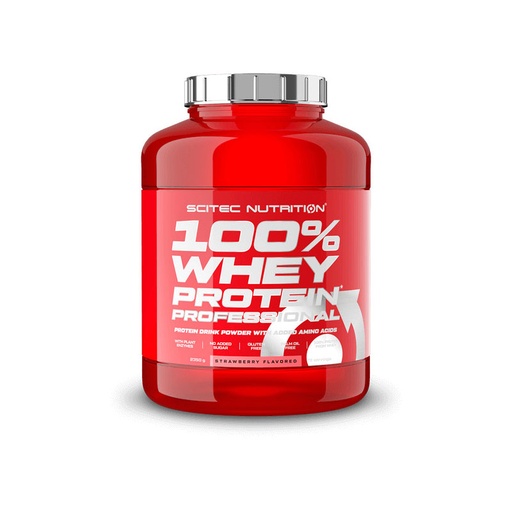
Few categories generate as much confusion as amino acid drinks. Branched-chain amino acids dominated the market for two decades, essential amino acid blends replaced them as the premium option, and a tub of whey sitting beside them contains both in larger amounts for less money. All three have a place, but the places are narrower and more specific than the packaging suggests. Here is what each product actually contains and when spending money on it makes sense.
Key takeaways
- Whole protein contains all essential amino acids and beats both amino acid products in most situations.
- BCAAs supply only three of the nine essential amino acids, which limits their ability to build muscle tissue.
- EAAs are the better of the two amino products because the profile is complete.
- The clearest use case is training fasted or several hours away from a meal.
- Compare products on leucine per serving, not on total blend weight.
What Each Product Contains
There are nine essential amino acids that the body cannot manufacture and must obtain from food. Branched-chain amino acid products contain three of them: leucine, isoleucine and valine, usually in a two to one to one ratio. Essential amino acid products contain all nine, in varying proportions, with leucine typically emphasised. Whey protein contains all nine as well, in a naturally high proportion, so a single thirty-gram serving delivers roughly two and a half to three grams of leucine alongside everything else.
This matters because building muscle tissue requires the full set. Leucine acts as the signal that switches synthesis on, which is why BCAA marketing focuses on it, but a signal without materials produces very little. In studies comparing BCAAs against a complete protein at matched leucine, the complete protein wins clearly. Essential amino acid blends close that gap because they supply everything, and they are absorbed slightly faster than intact protein, which is their one genuine advantage.
When Amino Acid Products Are Genuinely Useful
Three situations justify them. The first is training fasted, either early in the morning or during Ramadan, where a light amino acid drink provides substrate without the volume or digestion of a full shake. The second is a long gap between meals, particularly a session that starts four or five hours after eating; sipping essential amino acids through the workout is easier on the stomach than protein for some people. The third is very hot conditions where a flavoured, calorie-light drink encourages you to keep drinking, which is a real if indirect benefit.
Outside those cases, whole protein is the better purchase. If you have eaten a protein-containing meal within three or four hours of training, amino acids add nothing measurable, because the amino acids from that meal are still elevated in the bloodstream. It is also worth being clear that these products do not prevent muscle loss during dieting; adequate total daily protein and resistance training do that, and a scoop of amino acids cannot compensate for a diet short of protein overall.
- Training fasted, early morning or during Ramadan.
- Sessions starting four or more hours after your last protein meal.
- Very hot conditions where a flavoured drink helps you keep sipping.
- Not useful if you ate protein within three to four hours of training.

Reading the Label and Comparing Cost
Leucine per serving is the number that matters, and roughly two and a half to three grams is the threshold associated with a full synthesis response in most adults. Many amino acid products list an impressive total blend weight while providing well under two grams of leucine, which makes the serving pleasant to drink but functionally incomplete. Check the panel for individual amounts in grams; if the label shows only a blend total, treat the individual doses as unknown and price the product accordingly.
Cost per useful serving then settles the argument quickly. A thirty-gram serving of whey typically supplies around two point five grams of leucine plus twenty-four grams of complete protein, and it is usually the cheapest option per gram of amino acid delivered. Essential amino acid blends cost more per equivalent dose but weigh less and mix clear, which some people prefer for intra-workout use. Branched-chain products are the hardest to justify on either measure, and their popularity is mostly historical momentum rather than evidence.
- Look for 2.5 to 3 grams of leucine per serving.
- Individual amino acid amounts in grams, not a blend total.
- Compare cost per gram of leucine delivered, not per tub.
- Whey usually wins on price per useful dose.
Glutamine, Citrulline and the Usual Additions
Most amino acid drinks include extras, and their value varies. Glutamine is the most common; it is the most abundant amino acid in the body and has genuine clinical uses, but in healthy trainees eating adequate protein, supplementation has not shown meaningful effects on muscle growth or recovery. Electrolytes are a sensible addition in this climate and make the drink more useful during long sessions. Citrulline malate at six to eight grams does have performance evidence, but the amounts included in amino acid blends are usually far below that.
Caffeine sometimes appears in intra-workout amino products, which is worth noticing if you already take a pre-workout, because stacking the two easily pushes your daily total too high. Artificial sweeteners are a matter of tolerance rather than safety at normal intakes. In short, judge these products by the amino acid panel and treat the additions as a bonus. If the extras are what attracted you, check whether their doses match the amounts used in the research, because they frequently do not.
A Simple Decision Rule
If you can only buy one product, buy whole protein. It covers the complete amino acid profile, works as a meal component rather than only around training, and costs the least per gram of usable protein. Add an essential amino acid drink only if you regularly train fasted, or if you train several hours after eating and find a full shake sits badly during exercise. Buy branched-chain amino acids only if you like the taste and understand you are paying for an incomplete profile.
The wider point is that supplement decisions become simple once total daily protein is handled. Someone reaching one point six to two point two grams per kilogram from food and one or two shakes has no amino acid deficiency to fix, and money spent here would produce more results if it went toward better sleep habits, a coach, or simply more food. That is not the answer most product pages give, but it is the one that has served our customers for more than two decades.
Olympia recommended picks

Scitec 100% Whey Isolate
A complete whey isolate, the default choice for most people most of the time.
Shop now
Scitec Nutrition EAA + Glutamine
An essential amino acid product with glutamine for fasted or early sessions.
Shop now
Biotech BCAA ZERO
A sugar-free branched-chain drink for people who simply prefer sipping something flavoured.
Shop nowFrequently asked questions
Are BCAAs a waste of money?
They are not useless, but they supply only three of the nine essential amino acids, so they cannot build tissue on their own. In direct comparisons at matched leucine, complete protein produces a clearly better response for less money.
Are EAAs better than whey?
They absorb slightly faster and are lighter on the stomach during training, which is a genuine advantage for fasted sessions. For everything else, whey supplies the same amino acids plus additional protein at a lower cost.
Do I need amino acids if I train early in the morning?
If you train fasted and cannot eat beforehand, an essential amino acid drink is a reasonable choice. If you can manage even a small protein snack, that works just as well and usually costs less.
Does glutamine help recovery?
In healthy people eating adequate protein, supplemental glutamine has not shown meaningful effects on muscle growth or soreness. It has legitimate clinical uses, but recovery from normal training is not one of them.
How much leucine should a serving contain?
Around two and a half to three grams is the threshold associated with a full muscle protein synthesis response in most adults. Products listing only a total blend weight are hiding whether they reach it.
Related reading
Not sure which product fits you?
Talk to our team in any Olympia branch in Oman or on WhatsApp and we will match a supplement to your goal and your budget.
Talk to an Olympia expert
 and then Add to Home Screen.
