
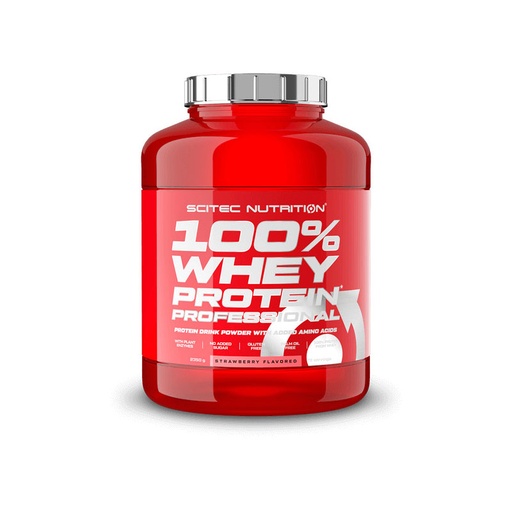
Amino acid tubs occupy a lot of shelf space and generate a lot of confusion. BCAAs give you three amino acids, EAAs give you all nine that your body cannot make. Whether either is worth buying depends almost entirely on how much protein you already eat.
Key takeaways
- BCAAs are leucine, isoleucine and valine only; they cannot build muscle protein on their own.
- EAAs contain all nine essential amino acids, which makes them the more complete choice.
- A whey shake already delivers a full EAA profile, usually for less money per serving.
- Amino powders are most useful when training fasted, in a hard deficit, or during long sessions in heat.
- If your daily protein target is met, extra amino acid powder rarely changes results.
What each one actually contains
BCAA stands for branched-chain amino acids: leucine, isoleucine and valine. Leucine is the trigger for the muscle building signal, which is why these three became famous. The problem is that a signal without materials does not build anything, and the other six essential amino acids are the materials.
EAA powders contain all nine essentials, including the BCAAs, so they can support actual protein synthesis rather than just the switch. That completeness is why the industry quietly moved from BCAA to EAA over the last decade.
Why your whey shake may already cover it
A 25 g serving of whey contains roughly 12 g of essential amino acids, including about 2.5 to 3 g of leucine, which is at or above the threshold that maximises the muscle building response. In other words, one scoop of whey is a complete EAA supplement with a bonus of protein and micronutrients.
If you eat enough protein from food and shakes, adding a separate amino powder is duplication. Spend the same money on a better protein or more meat, fish and dairy and you get the same amino acids plus everything else that comes with them.

When an amino powder does earn its place
There are real cases. Training fasted early in the morning, when your last meal was ten hours ago, is one. A long session in Gulf heat where a full shake feels heavy is another, since an EAA drink with electrolytes goes down easily. Aggressive cutting phases, where calories are tight and appetite is low, are a third.
People recovering from injury or surgery, older adults with low appetite, and anyone who genuinely struggles to eat protein also benefit from a light, easily tolerated source. In these situations 10 to 15 g of EAA around training is a reasonable dose.
How to read an amino label
Check the leucine content first: you want at least 2 g per serving, ideally closer to 3. Then check whether all nine essentials are listed with amounts. Many cheap products are mostly glycine and taurine with a token amount of leucine, dressed up with a bright flavour.
Ratios printed on the front, like 2:1:1 or 8:1:1, matter far less than the absolute leucine dose. And if the tub lists a proprietary "amino matrix" without individual amounts, put it back.
- Leucine per serving: 2-3 g minimum
- All nine essentials listed with amounts
- No proprietary blends
A simple decision rule
If you are hitting 1.6 to 2.2 g of protein per kg per day, skip both and buy better food or a good whey. If you regularly train fasted or in long hot sessions, an EAA drink is a sensible addition. If you already own a tub of BCAA, use it up as a flavoured intra-workout drink and buy EAA or protein next time.
That is the whole decision. Amino acid powders are a convenience product, not the missing link in your programme.
Olympia recommended picks


Frequently asked questions
Do BCAAs help with muscle soreness?
Evidence is mixed and effects are small. Adequate total protein, sleep and sensible training volume do far more for soreness.
Can EAAs replace a protein shake?
They can cover amino acid needs around training, but they contain far fewer calories and no other nutrients, so they are not a meal replacement.
Are amino acids useful during fasting or Ramadan?
They can be useful before a fasted session, but remember that any calories break a fast. Plan intake for eating hours.
Is a 2:1:1 ratio better than 8:1:1?
The absolute leucine dose matters more than the ratio printed on the tub.
Related reading
Not sure which product fits you?
Talk to our team in any Olympia branch in Oman or on WhatsApp and we will match a supplement to your goal and your budget.
Talk to an Olympia expert
 and then Add to Home Screen.
