
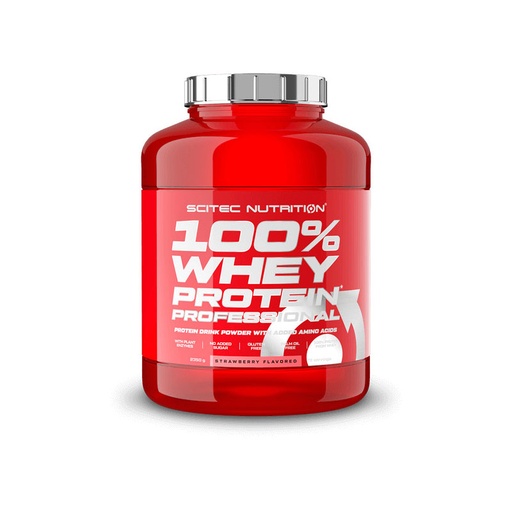
Almost every week, a woman walks into one of our stores, points at a tub of whey protein and asks a version of the same question: will this make me look like a bodybuilder? The short answer is no, and the longer answer is far more useful. Protein powder is a convenience food with a very specific job, and understanding that job is the difference between wasting money and genuinely accelerating your results.
Key takeaways
- Protein powder contains no hormones and cannot, by itself, make a woman bulky.
- Target roughly 1.6 to 2.2 grams of protein per kilogram of body weight per day when training.
- One 25 to 30 gram serving per sitting is enough; total daily intake is what drives results.
- Isolate suits sensitive stomachs, concentrate offers the best value, casein suits the evening.
- Judge any product by protein per 100 grams, ingredient order and a verifiable batch code.
Why Protein Matters More, Not Less, for Women
Women are routinely told to prioritise cardio and calorie restriction, while protein is treated as a concern for men only. Physiologically that is backwards. Muscle tissue responds to resistance training and adequate protein in both sexes, and because women typically start from a lower absolute muscle mass, every kilogram of lean tissue carries more weight for metabolic rate, bone loading and long-term physical independence. Protein is also the most satiating of the three macronutrients, which makes a moderate calorie deficit far easier to sustain without constant hunger. The research-supported intake range for women who train seriously sits at roughly 1.6 to 2.2 grams per kilogram of body weight per day, well above what a typical Gulf diet delivers.
The real obstacle is not knowledge, it is logistics. Reaching 100 to 130 grams of protein a day from chicken, eggs, yoghurt and lentils alone demands planning, cooking time and an appetite that does not always cooperate on a hot afternoon in Muscat. A whey shake solves one narrow problem well: it delivers 24 to 27 grams of high-quality protein in about ninety seconds, with a complete amino acid profile and a generous leucine content. It is a convenience food, not a magic powder, and that honest framing is precisely why it works so well for women with demanding schedules.
The Bulking Myth, Explained Properly
The fear that whey protein produces a bulky, masculine physique is the most common objection we hear across our stores, and it survives because it confuses correlation with cause. Muscle hypertrophy is driven by progressive resistance training, a sustained calorie surplus and hormonal environment, principally testosterone, which healthy women produce at roughly a tenth to a twentieth of male levels. Protein powder is food in powdered form. It contains no hormones and no anabolic agents whatsoever. Adding a shake to your day changes your protein intake, not your endocrine system.
What actually happens when a woman lifts weights and eats enough protein is a gradual increase in lean tissue alongside a reduction in fat mass, an outcome most people describe as looking firmer rather than larger. Because muscle is denser than fat, scale weight may barely move while clothes fit differently and tape measurements shrink. The small number of female athletes who look unusually muscular have spent years in deliberate surplus-driven training, frequently with pharmacological assistance. That physique is not something anyone arrives at by accident, and certainly not from a single scoop of protein.
- Scale weight is a poor single metric: track tape measurements and photos alongside it.
- Strength gains almost always arrive before any visible change in shape.
- A shake can replace food calories rather than add to them, if you plan it that way.
- Looking toned simply means more muscle plus lower body fat, nothing more exotic than that.

How Much, and When
Total daily protein matters far more than timing, but sensible distribution helps. Aim for three to four protein-containing meals of roughly 25 to 40 grams each, spread across your waking hours. A single 30-gram serving is enough to maximally stimulate muscle protein synthesis in most women; larger single doses are not wasted, they simply contribute to overall daily intake rather than producing an extra spike. If you train in the evening, a serving within a couple of hours either side of the session is convenient rather than critical.
Practical dosing for a 60-kilogram woman training four times a week looks like 100 to 120 grams of protein per day, of which one or two whey servings cover 25 to 50 grams. Normal meals supply the rest, which is exactly the right balance. During a fat-loss phase you may push toward the upper end of the range, because higher protein preserves lean tissue when calories are low and blunts appetite between meals. During pregnancy or breastfeeding, protein needs rise, but any supplement choice should be cleared with your doctor first.
Choosing the Right Type of Protein
Three formats cover almost every need. Whey concentrate is the standard, best-value option at roughly 70 to 80 percent protein by weight, carrying small amounts of lactose and fat. Whey isolate is filtered further to 85 to 90 percent protein with minimal lactose, which suits anyone with mild digestive sensitivity or a very tight calorie budget. Micellar casein digests slowly over several hours and is better suited to the evening or to long gaps between meals. Plant blends built from pea and rice protein are a valid choice for anyone avoiding dairy, provided the two sources are combined.
Beyond the format, the label tells you almost everything you need to know. Look at protein per 100 grams rather than protein per scoop, because scoop sizes are chosen by marketing departments. Check that whey appears at the top of the ingredient list, before any free amino acids that can be used to inflate the nitrogen figure. Confirm the sweetener if you are sensitive to sucralose or sugar alcohols. Finally, insist on a legible batch number, an expiry date and a traceable regional importer, which is the only reliable defence against counterfeit stock.
- Protein per 100 grams, not just per scoop, which exposes underdosed products.
- Ingredient order: whey should come first, before any added free amino acids.
- Lactose content, if dairy has ever sat badly with you.
- A readable batch number and expiry date, plus an authorised regional importer.
Kidneys, Skin, Bloating and Iron: The Real Concerns
Higher protein intake does not damage healthy kidneys. That concern originates from dietary advice given to patients with established renal disease, and it has been tested repeatedly in healthy trainees without evidence of harm. Anyone with diagnosed kidney or liver disease should of course follow their physician's instructions rather than general guidance. Acne complaints are occasionally linked to dairy proteins in susceptible individuals, and switching to an isolate or a plant blend usually settles the issue. Bloating is nearly always lactose rather than protein itself, so an isolate or a lactose-free option resolves it in most cases.
Two genuinely female-specific points deserve attention. First, menstruating women who train hard carry a higher risk of low iron stores, and protein powder does nothing for that; ask for a ferritin test rather than guessing, because fatigue blamed on training is often anaemia. Second, through perimenopause the rate of lean tissue loss accelerates and bone density declines, which makes resistance training plus adequate protein more valuable, not less. A shake is one small tool inside that plan. The plan itself is lifting, eating enough and sleeping properly, in that order.
Olympia recommended picks

Scitec 100% Whey Isolate
A filtered isolate with minimal lactose, ideal if dairy has ever left you bloated.
Shop now
ON Gold Standard, 100% Whey 2 LBS
A reliable everyday concentrate blend with 24 g of protein per serving.
Shop now
Biotech Micellar Casein
Slow-digesting micellar casein for the evening or long gaps between meals.
Shop nowFrequently asked questions
Will whey protein make me look bulky?
No. Protein powder contains no hormones. Visible muscle gain requires years of progressive resistance training and a calorie surplus, and women produce a fraction of the testosterone men do. What most women see is a firmer shape at a similar or lower body weight.
How much protein do I actually need each day?
For women who train regularly, roughly 1.6 to 2.2 grams per kilogram of body weight per day. A 60-kilogram woman would aim for about 100 to 130 grams, spread over three to four meals, with one or two shakes filling the gaps.
Should I take whey on rest days?
Yes. Recovery and muscle protein synthesis continue for a day or two after training, so your daily protein target stays the same. A shake on a rest day is simply a convenient way to reach that target.
Is isolate worth the extra cost?
It is worth it if you get bloated from dairy, if you are counting calories tightly, or if you want the highest protein percentage per gram. If none of those apply, a good concentrate delivers the same amino acids for less money.
Can I take whey while trying to lose weight?
Protein is the most useful macronutrient during a deficit because it preserves muscle and keeps you full. Use the shake to replace part of a meal rather than adding it on top of your usual intake.
Related reading
Not sure which product fits you?
Talk to our team in any Olympia branch in Oman or on WhatsApp and we will match a supplement to your goal and your budget.
Talk to an Olympia expert
 and then Add to Home Screen.
