
After forty the physiology shifts, but not as dramatically as people assume. Muscle becomes less responsive to a given dose of protein, tendons adapt more slowly, and recovery between hard sessions stretches out. All three are manageable with higher protein, smarter programming and patience, and strength gains remain entirely available.
Key takeaways
- Anabolic resistance means older muscle needs a larger protein dose per meal to respond fully.
- Aim for 1.6 to 2.2 grams of protein per kilogram, with 30 to 40 grams per meal.
- Resistance training two to four times a week is the single most protective habit available.
- Tendons and connective tissue adapt more slowly than muscle, so progress load gradually.
- Vitamin D, omega-3, creatine and collagen are the supplements with the most relevance in this decade.
Anabolic Resistance: The Main Change
The most important age-related change is that muscle becomes less sensitive to the anabolic signal from protein. A twenty-gram serving that produces a strong muscle protein synthesis response at twenty-five produces a weaker one at fifty-five. The mechanism involves reduced leucine sensitivity, changes in muscle blood flow and lower physical activity, and it is the reason older adults lose muscle even when their protein intake looks adequate on paper.
The practical answer is a larger dose per meal rather than more meals. Thirty to forty grams of high-quality protein per sitting, containing around three grams of leucine, restores much of the response. Spreading protein evenly across three or four meals works better than the common pattern of a light breakfast, a modest lunch and one large protein-heavy dinner.
- Target 30–40 g of protein per meal, not 15–20 g.
- Include a leucine-rich source such as whey, dairy, eggs, fish or meat.
- Distribute protein across three to four meals daily.
- Total daily target: 1.6–2.2 g per kg of body weight.
Programming: Heavier Is Still Better, Recovery Is Not
Age is not a reason to abandon heavy training. Loads in the region of seventy to eighty-five percent of maximum remain the most effective stimulus for strength and for maintaining bone density, and studies in adults in their sixties and seventies consistently show meaningful gains. What changes is the tolerance for junk volume, maximal attempts close to failure, and back-to-back hard days.
A practical structure is two to four resistance sessions a week, most sets stopped one to three repetitions short of failure, with an extra rest day between the heaviest sessions. Warm-ups become non-negotiable, dedicated work for rotator cuff, hips and core pays for itself, and machines or cables can replace a barbell variation that reliably aggravates a joint without any loss of results.

Joints, Tendons and Connective Tissue
Tendons and ligaments have lower blood supply than muscle and remodel far more slowly, which is why the classic mistake after forty is adding load faster than the connective tissue can adapt. Muscle can handle a jump in weekly volume that a tendon cannot, and the resulting elbow, shoulder or knee irritation then costs more weeks than the rushed progress gained.
The mitigation is unglamorous and effective: progress load in small increments, keep some slow controlled tempo work in the programme, maintain full range of motion, and treat any ache that lasts beyond a session as information rather than something to push through. Collagen peptides taken with vitamin C around an hour before loading have supportive evidence for tendon health, and body weight management remains the single largest factor for knee comfort.
- Increase load in small steps and hold weeks steady when needed.
- Keep full range of motion and controlled tempo work.
- Do not train through pain that persists between sessions.
- Collagen with vitamin C around an hour before loading has supportive evidence.
- Body weight is the biggest single factor in knee comfort.
The Supplements That Actually Matter in This Decade
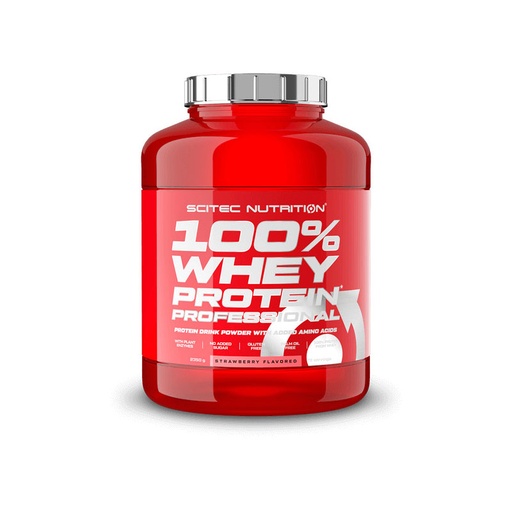
Four stand out. Whey protein makes a thirty to forty gram dose per meal realistic without cooking. Creatine monohydrate at three to five grams daily supports strength and lean mass, and has additional interest for cognition and bone-related outcomes in older adults. Vitamin D matters because indoor lifestyles and limited sun exposure are widespread in the Gulf, and status affects muscle function and immunity. Omega-3 fatty acids have evidence for supporting the muscle protein synthesis response and for cardiovascular health.
Collagen peptides are worth a place if tendon or joint discomfort is a recurring issue. Beyond those, most products add cost rather than outcome at this stage. Because this decade is also when blood pressure, cholesterol and blood glucose start needing attention, check with your doctor before adding stimulant products, and get annual blood work so your supplement choices follow data instead of guesswork.
The Long View
Muscle mass and strength in your fifties and sixties predict independence, fall risk and metabolic health more reliably than almost any other measurable trait. Resistance training after forty is therefore less about appearance and more about the width of the margin you will have twenty years from now. Two sessions a week done consistently for a decade beats five sessions a week abandoned after three months.
Set the standards accordingly: enough protein, enough sleep, load that progresses slowly, and a small, evidence-based supplement plan. Olympia Middle East has served athletes and everyday trainees in this market for more than twenty years as an authorised agent for leading global brands, and our team is happy to help you build a plan that suits your age, your schedule and your medical history rather than a generic template.
Olympia recommended picks


Frequently asked questions
Is heavy lifting safe after 40?
For healthy adults it is not only safe but valuable for bone density and strength. What needs adjusting is the frequency of maximal attempts, the rate of load progression and the amount of rest between hard sessions.
Do I need more protein as I get older?
Yes, and particularly more per meal. Because muscle becomes less responsive to protein with age, thirty to forty grams per sitting is a better target than twenty.
Which single supplement matters most after 40?
Protein powder if your daily intake is short, otherwise creatine monohydrate. Both are inexpensive, well studied and directly relevant to preserving muscle and strength.
Will collagen fix my knee pain?
It is not a treatment for a diagnosed joint problem. Evidence supports collagen peptides with vitamin C as a helpful addition to gradual loading, but persistent pain needs medical assessment.
Should I stop training when a joint aches?
Not necessarily stop, but modify. Reduce the load, change the exercise angle, keep the range comfortable and seek assessment if the discomfort lasts more than two weeks.
Related reading
Not sure which product fits you?
Talk to our team in any Olympia branch in Oman or on WhatsApp and we will match a supplement to your goal and your budget.
Talk to an Olympia expert
 and then Add to Home Screen.
